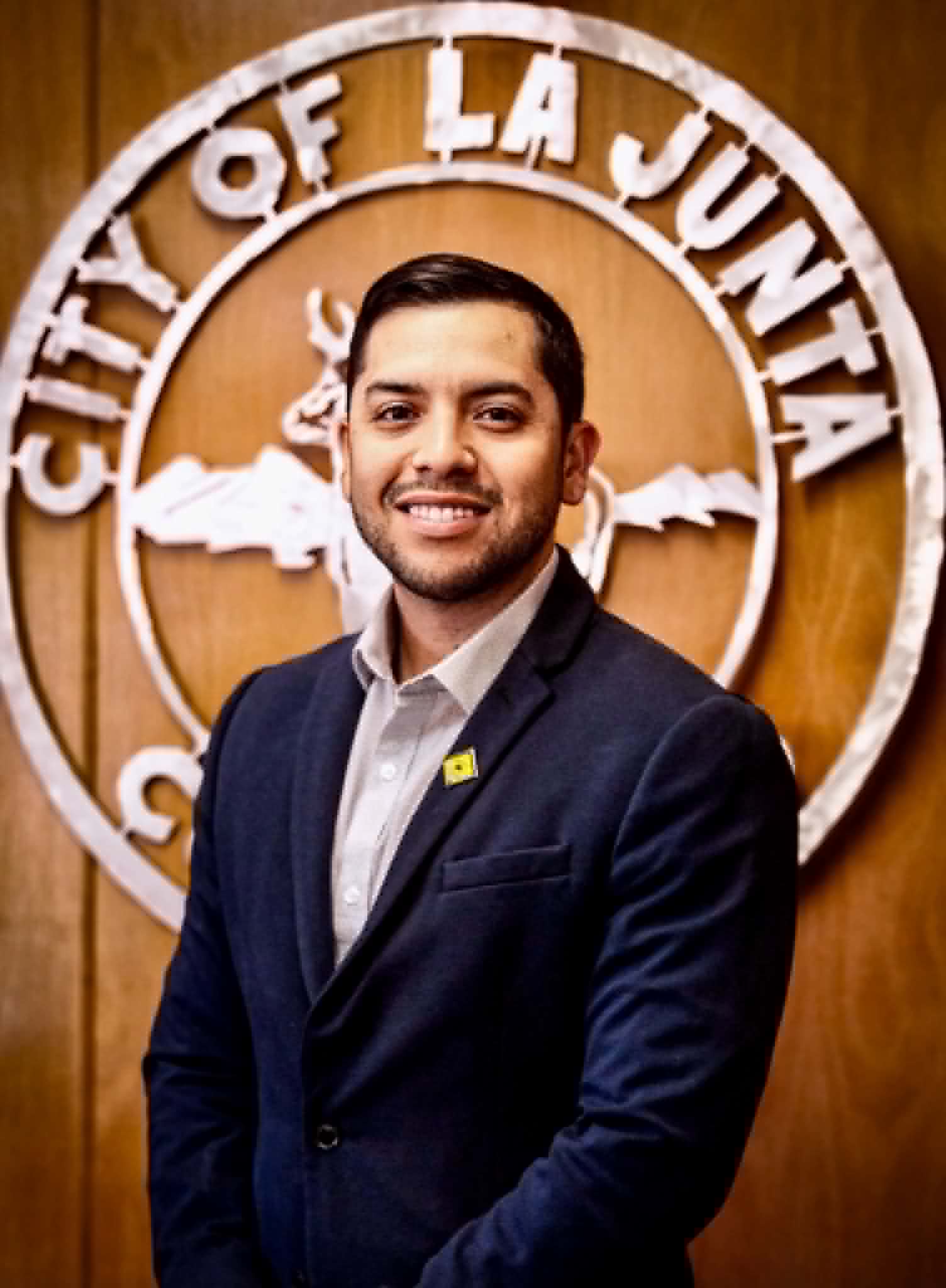
Mayor Joe Ayala: Community, Childhood, and the Road Ahead
Ayala discusses local journalism, youth programs, and the role of municipal leadership in small towns.
Read
Photo Credit: Joe Ayala
La Junta, Colorado — Mayor Joe Ayala, a lifelong resident of the Arkansas Valley, offered a candid look at his upbringing, motivations, and hopes for the community in a recent interview that underscored both the strengths and challenges of small-town life.
Ayala grew up in La Junta during the 1990s, a period he remembers for simplicity, familial bond, and early exposure to technology. He recalled classrooms with computers running games like Oregon Trail and Number Munchers, alongside afternoons spent playing baseball, football, and other recreational sports. Though an only child, Ayala said his vast extended family made his childhood feel full and connected.
"My grandpa had nine kids, so I was always around a cousin," he reminisces.
Becoming mayor was never a childhood ambition. His decision emerged from concerns about the city's financial direction and the long-term opportunities available to local youth. Rising expenses, reliance on reserves, and unsustainable spending patterns signaled the need for a course correction.
"The biggest reason I wanted to become mayor was for my kids," he says, "for all the kids," noting that he wanted future generations to have the option to return home.
Ayala also discussed how travel teams, while beneficial for some families, reduce participation in local recreation leagues. He said this shift affects access for children who cannot afford travel-team costs and strains community programs that rely on broad participation.
Beyond athletics, Ayala expressed concern about declining engagement in arts and academic activities. He commented on the recent recast in production at the local children's theater due to low turnout and said many school achievements outside sports receive limited recognition. He recalled earlier eras when newspapers regularly highlighted student artwork, music programs, and community accomplishments.
"We used to put the elementary school paintings in the newspaper," he reflects.
Ayala said local journalism plays a crucial role in restoring balance by emphasizing achievements beyond athletics. He voiced concern that the rise of AI-generated content has shifted focus toward sensationalism rather than community-centered reporting, observing that meaningful coverage requires presence, context, and connection.
He described the realities of municipal governance, noting that the mayor is one vote among seven council members and does not act unilaterally. Public perception often overestimates the mayor's authority, but the role is primarily one of leadership, communication, and support for the city manager.
Ayala highlighted expanded public access to city meetings, all of which are now streamed for residents, including council, utility board, tourism, library, and urban renewal sessions.
When offering guidance for local youth, Ayala encouraged them to pursue meaningful goals, remain solution‑oriented, and use technology constructively. He said social media often presents only highlight reels, making it important for young people to stay grounded and surround themselves with positive influences.
"Find something that sets your soul on fire," he said.
Ayala also urged young people to prepare themselves for future challenges by building skills and habits early. He compared personal growth to constructing an ark before the storm arrives, emphasizing the importance of long-term preparation.
He closed the interview by expressing his appreciation for the conversation and reaffirming his commitment to supporting La Junta's continued growth and stability.